The push to achieve Zero Waste has become a mission for cities around the world. Zero Waste means designing systems that reduce, reuse, recycle, and recover as much material as possible. However, even the most successful programs face one major challenge — residual waste.
Residual waste refers to non-recyclable, non-compostable materials that remain after every effort to recover resources. Without a clear plan to manage these materials, cities cannot truly reach their Zero Waste goals. That’s where Energy from Waste (EfW) comes in.
Reducing Landfill Dependence Through Energy from Waste
Ontario currently sends over 97% of its residual waste to landfills, with a portion exported to the United States. At this rate, the province’s landfill capacity could run out by 2035. This situation creates both environmental and financial risks for growing cities.
By processing waste locally, EfW reduces the need for long-distance hauling and cuts transportation-related emissions. It also keeps waste management responsibilities within Ontario’s communities. In this way, EfW directly supports Zero Waste targets by lowering landfill dependency and reducing the province’s carbon footprint.
Turning Waste into Clean Energy
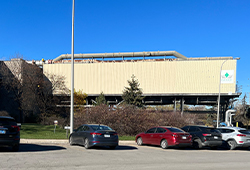
Energy from Waste doesn’t just solve a disposal issue — it transforms waste into a valuable resource. At Emerald, thermal recycling processes non-recyclable waste in a safe and efficient way. When waste arrives, it’s screened and sorted before entering the thermal processing stage. There, heat converts it into syngas, which passes through a water-tube boiler to generate high-pressure steam.
That steam drives a turbine to produce electricity for Ontario’s grid, supplies steam to a local recycled paper mill, and powers the EfW facility itself. In addition, Emerald is developing a Green Hydrogen Program to produce zero-emission fuel from energy recovered from waste. Together, these efforts make EfW a bridge between today’s waste challenges and tomorrow’s clean energy solutions.
Strengthening the Circular Economy
EfW works alongside recycling and composting programs, not against them. It focuses on materials that cannot be recycled, such as contaminated plastics and complex packaging. By diverting these materials from landfills, EfW reduces methane emissions and extends landfill life.
At the same time, Emerald recovers metals from the bottom ash left over after thermal processing. The ash itself is reused as landfill cover to suppress odours and improve compaction. Emerald is also testing new ways to incorporate this ash into concrete mixes, thereby extending the materials’ lifespan. These innovations strengthen Ontario’s circular economy and bring the province closer to its Zero Waste goals.
Protecting the Environment and Supporting Communities
Energy from Waste is one of the most closely regulated waste management technologies in Canada. At Emerald, an Air Pollution Control (APC) system ensures that air quality meets or exceeds all environmental standards. The system uses evaporative cooling towers, venturi reactors, baghouse filters, and selective catalytic reduction to capture pollutants, including acid gases, mercury, heavy metals, dioxins, furans, and particulate matter.
Emerald’s redevelopment also received an Environmental Screening Report approved by regulators after thorough community consultation and testing. Beyond environmental benefits, EfW supports the economy by creating local jobs, improving energy security, and reducing dependence on landfills.
Building a Path to a Zero Waste Future
Zero Waste is about more than just recycling and composting. It’s about building complete systems that manage every stage of a material’s life. Emerald helps cities close the loop by turning non-recyclable waste into clean energy, reducing reliance on landfills, and supporting sustainable communities.
For cities aiming to reach ambitious sustainability goals, Energy from Waste isn’t a last resort — it’s a key part of the solution. Through innovation, environmental protection, and community partnership, Emerald is helping Ontario move toward a cleaner, more circular future.