Why EfW Has a Role Even in Strong Recycling Programs
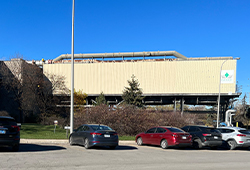
Even the best recycling and organic waste diversion programs leave behind residual waste. These programs cannot effectively recover materials like contaminated recyclables, certain plastics, or composite packaging. Rather than sending those materials to landfill, the Emerald Energy from Waste facility steps in to close the loop, providing a complementary solution. We safely convert non-hazardous municipal, industrial, commercial, and institutional residual waste into electricity and steam. This process helps extend the life of landfills while simultaneously reducing greenhouse gas emissions. The following blog post highlights other key roles energy from waste plays in complementing recycling programs and organic waste diversion.
Ecological and Circular-Economy Harmony
Energy from waste only addresses and handles residual waste after recycling and organics recovery have taken place. This practice aligns with existing waste hierarchy structures (i.e., the 3Rs: Reduce, Reuse, and Recycle) and offers a preferable alternative to disposing of waste at landfills. This process minimizes landfill methane emissions, produces valuable energy to Ontario’s grid, and reduces the total waste volume by 85–90%. The waste to energy process supports a push towards a circular economy in Canada.
Resource Recovery Unavailable via Recycling Programs Alone
Many materials, especially mixed plastics, coated papers, and composite packaging, are not recyclable or compostable. Energy from waste offers an environmentally conscious way to recover value from these residuals. At Emerald, the non-hazardous, non-recyclable waste is gasified and combusted at high temperatures to produce syngas and steam (learn more about our Energy from Waste Process). These products run a turbine that currently produces 10 MW of electricity per year, which is enough to power 6,000 average homes. With the proposed expansion, the new Emerald Energy from Waste facility’s processing capacity will eventually increase to produce 100 MW of electricity per year. Additionally, the steam powers a local recycled paper mill’s boilers, eliminating their need for fossil-fuel-powered boilers.
Greenhouse Gas Reduction and Climate Benefits
By diverting waste from landfills, Emerald Energy from Waste prevents methane emissions, which have far higher warming potential than CO2. While thermal recycling does release CO2, it still avoids the larger methane emissions that landfills would produce. Emerald reports an annual CO2 reduction of approximately 908,000 tonnes, which is equivalent to taking approximately 200,000 cars off the road.
Supporting Local Circular Economies and Organic Recovery
Organic waste diversion programs, like composting or anaerobic digestion, are vital for food scraps, yard trimmings, and other organics. These systems not only reduce landfill methane but also produce compost or nutrient-rich soil amendments. Energy from waste steps in for non-organics that cannot enter those systems. These two systems work together to create a dual-track process that recovers value from organics through composting and digestion while recovering energy from the remaining waste.
Supporting Recycling Programs, Never Undermining Them
Environmental groups expressed concerns that waste to energy facilities accept waste streams containing organics, recyclables, and plastics that should go through earlier stages of the waste hierarchy. Emerald’s EfW process starts with waste screening and sorting to ensure materials sent in for energy recovery are acceptable. These steps ensure only actual residual waste enters the EfW process, in turn protecting recycling programs and organics waste diversion from being undermined. Utilizing energy from waste is most effective when it serves as a downstream endpoint rather than a catch-all disposal route.
Building Resilient, Low-Carbon Waste Infrastructure
Municipalities like York Region have integrated EfW into their Zero-Waste strategies. Pairing robust recycling and organics programs with the use of EfW facilities reduced diversion rates above 90%. Approximately 75% of their residual waste gets processed through energy from waste facilities, which demonstrates how recycling and energy recovery streams can work together to reduce landfill disposal.
In conclusion, Emerald Energy from Waste shows that when utilized effectively, EfW technologies actively support recycling and organics diversion. They manage waste unsuitable for recycling or composting, recover otherwise lost energy, and reduce methane and carbon emissions from landfills. With that said, maximal sustainability depends on continuing to reduce, reuse, and recycle as a priority. Residual waste should only enter EfW processes after using these higher-tier efforts. When all three systems (recycling, organics diversion, and energy from waste) work together, it creates an integrated Zero-Waste strategy that contributes to a circular economy.