In 2026, Ontario faces multiple challenges in waste management. Landfills are nearing capacity, methane regulations are tightening, and cities urgently need waste-disposal technology that protects both public health and the environment. As a result, the choice between using landfills or embracing Energy from Waste (EfW) technology is no longer theoretical—it’s a practical decision that will shape the province’s future.
The Landfill Challenge
Ontario landfills are rapidly running out of space, with experts projecting that capacity will be reached within the next decade. For example, Toronto’s Green Lane Landfill is expected to be full by 2035. As a result, municipalities and industries are already exporting waste to the U.S.
This growing dependency on landfills leads to rising disposal costs and increased emissions from long-haul trucking. Furthermore, shifting cross-border waste policies makes Ontario’s waste management system more vulnerable.
At the same time, Canada’s new methane reduction rules require landfills to cut emissions by 50% below 2019 levels by 2030. This regulation adds pressure on municipalities and industries to find new solutions. However, achieving these reductions is challenging and costly for sites that continue to emit methane decades after they close.
Why Energy from Waste (EfW) Technology Is Different
Fortunately, Energy from Waste offers a cleaner, safer, and more sustainable solution for residual waste. After recyclables and organics are removed, EfW reduces landfill-bound volumes by about 90% while preventing methane generation altogether.
Unlike landfills, Emerald’s facility turns waste into electricity, steam, and even green hydrogen—creating value from materials that would otherwise be buried. This approach follows the 3Rs hierarchy: reduce, reuse, and recycle first, then recover energy from what remains before final disposal. Consequently, EfW closes the waste management loop more efficiently than landfill systems.
The Emerald Example
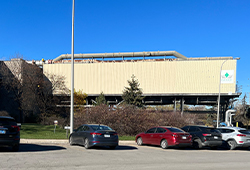
Emerald Energy from Waste demonstrates how EfW can scale to meet Ontario’s growing needs. Currently, the facility processes about 500 tonnes of waste per day, producing 10 MW of electricity annually.
Once the redevelopment is complete, Emerald will process up to 900,000 tonnes of residual waste each year, or roughly 2,500 tonnes daily. As a result, the facility will generate 100 MW of reliable electricity—enough to power approximately 60,000 homes.
In addition, Emerald will continue supplying steam to a local recycled paper mill and will explore green hydrogen production to support Ontario’s clean energy transition.
Protecting Public Health Through Technology
Another key advantage of EfW over landfill disposal is tighter environmental control. Emerald’s Air Pollution Control (APC) system features multi-stage flue-gas scrubbing, selective catalytic reduction for NOx, high-efficiency baghouse filters, and continuous real-time monitoring.
As a result, independent health risk assessments confirm that air quality impacts remain well below regulatory limits and protective of public health. By contrast, landfill emissions are more diffuse, long-lived, and much more complex to capture completely. Therefore, EfW technology provides a measurable improvement in environmental safety.
The Climate Case for Energy from Waste
From a climate standpoint, EfW offers two significant benefits over landfills. First, it prevents methane emissions—one of the most potent greenhouse gases, responsible for about 25% of global climate impacts. Organic waste decomposing in landfills inevitably releases methane into the atmosphere.
Second, the electricity and steam produced by EfW displace fossil fuel use, creating additional greenhouse gas reductions. In fact, Emerald’s environmental screening report confirms that thermal treatment emits fewer greenhouse gases than landfilling, even before accounting for the energy credits generated during the process.
Given Ontario’s disposal crisis and new methane regulations, EfW stands out as both a compliance solution and a climate win.
Why the Shift Matters Now
Today’s waste challenge is not about choosing between recycling and energy recovery—it’s about completing the waste cycle. EfW processes the materials that cannot be recycled or composted, preventing them from sitting in landfills for decades.
Moreover, as landfill capacities shrink and export risks rise, the transition from landfilling to EfW becomes not just desirable but essential. For Ontario communities, this shift means less buried waste, fewer greenhouse gases, greater energy security, and a stronger path toward a Zero Waste future.